1. Current Situation at Commune Health Stations
Small Scale - Big Responsibility
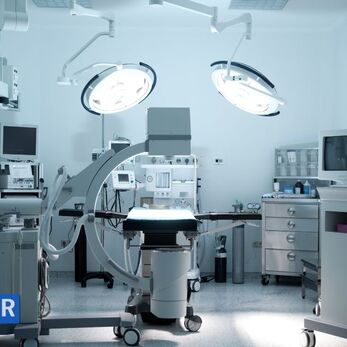
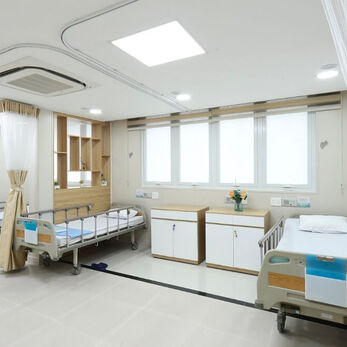
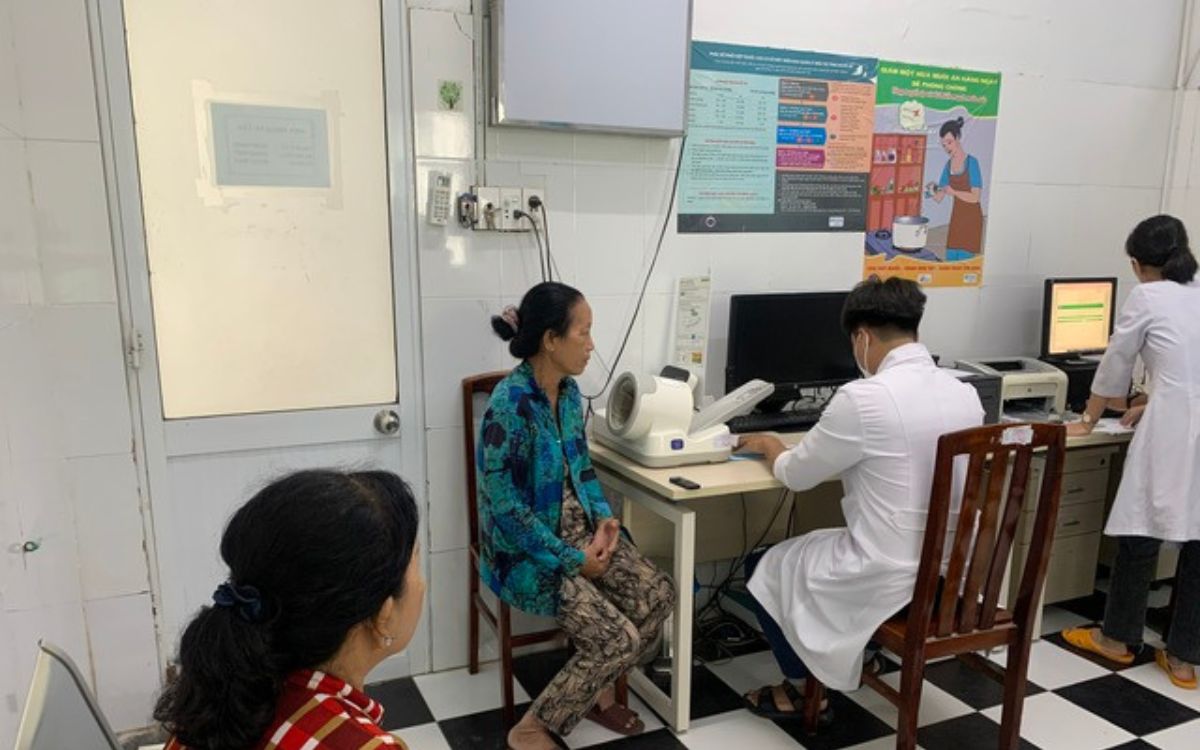
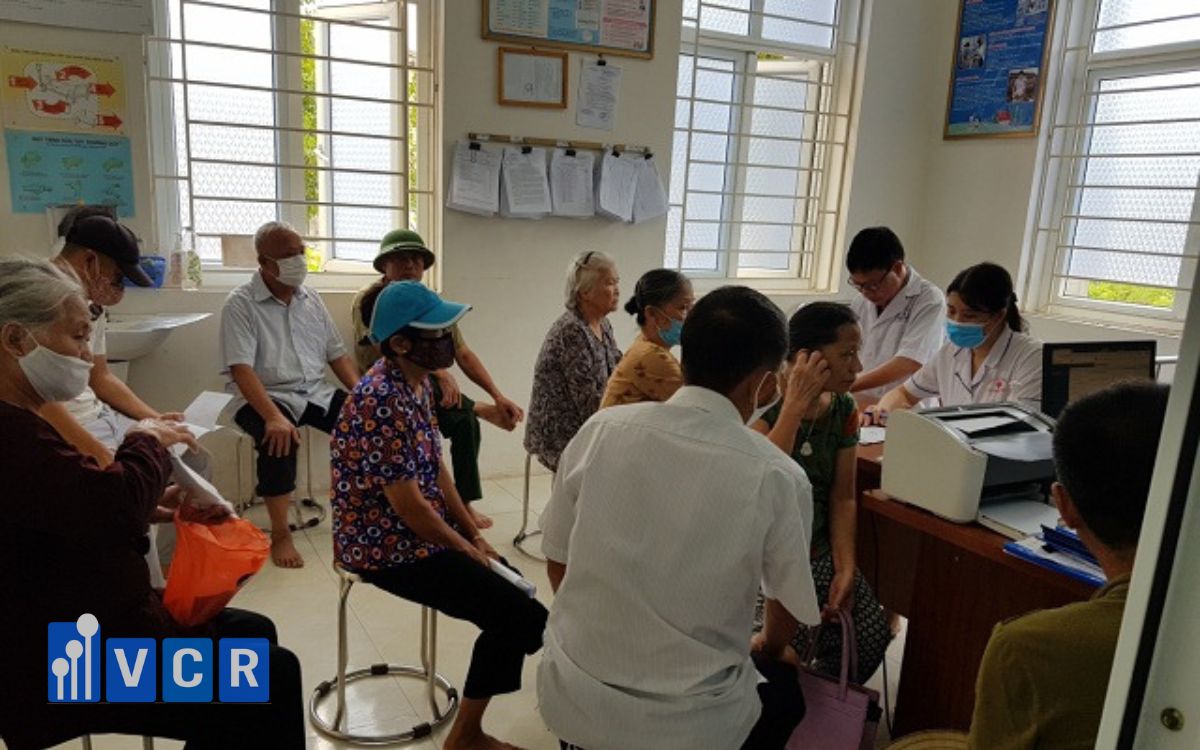
In Vietnam, commune health stations serve as the frontline units in the healthcare system, playing a crucial role in delivering primary care, especially in rural, mountainous, and hard-to-reach areas. With an average workforce of only 5-10 medical staff and limited infrastructure, these stations often handle multiple functions simultaneously, including medical examination and treatment, vaccination, emergency care, prenatal monitoring, and disease prevention.
However, the overload of functions combined with resource constraints forces these stations to operate under conditions lacking in equipment, supplies, and well-trained personnel.
Infection Control: A Must at the Grassroots Level
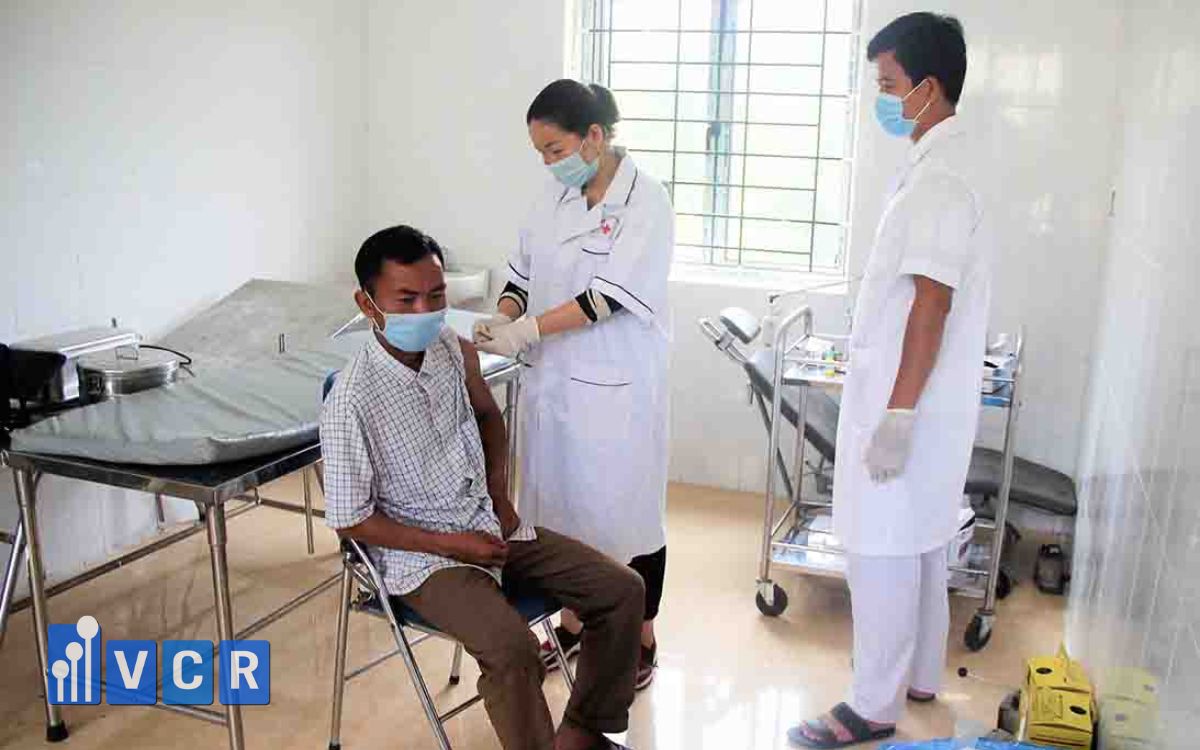
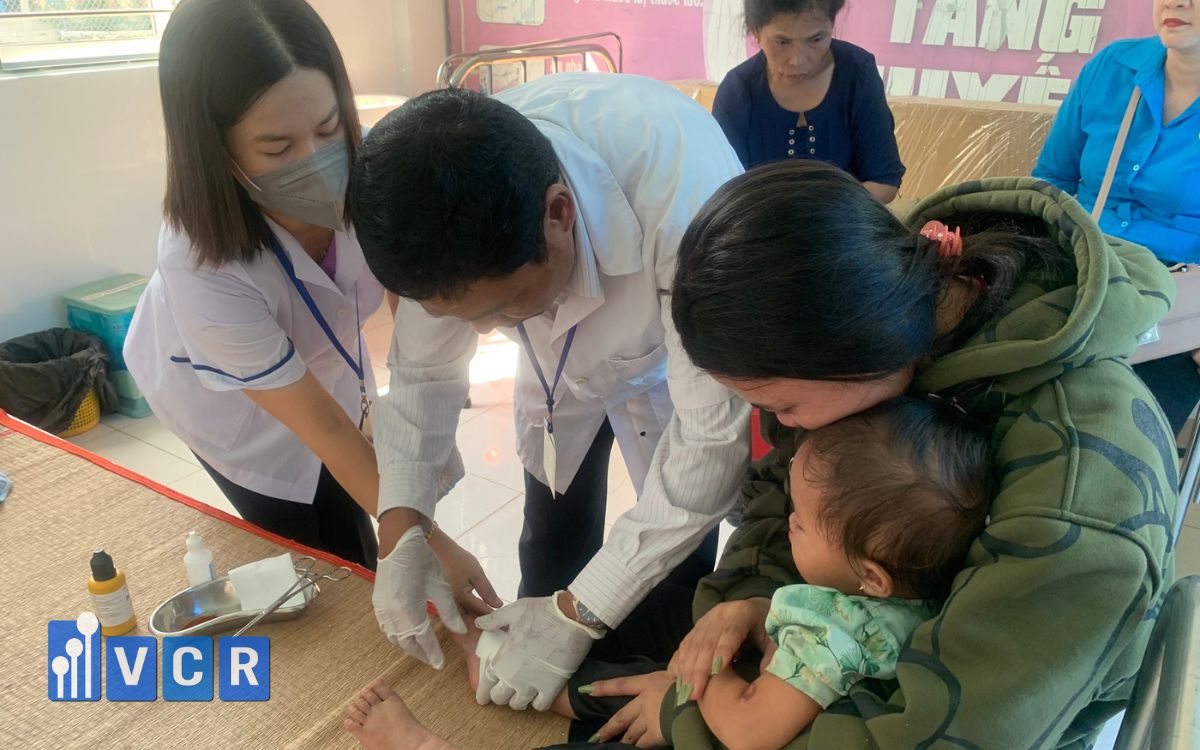
Although not equivalent to central hospitals, commune health stations still face a high risk of infection outbreaks-particularly in the context of infectious diseases, open wound treatment, vaccination, or emergency care.
Effective infection control at this level is essential not only to protect healthcare workers and patients but also to prevent community-wide transmission. Yet, due to the absence of basic cleanroom systems and standardized procedures, many stations fail to fully implement measures such as patient flow separation, equipment sterilization, medical waste management, or air quality control.
In the post-pandemic era, and with new disease risks looming, strengthening infection control capacity at the commune level is a critical factor-for both public health and the community's trust in grassroots healthcare systems.
2. Common Challenges in Infection Control
1. Deteriorated Infrastructure or Lack of Basic Equipment
Most commune health stations were built decades ago and now suffer from seriously degraded infrastructure that no longer meets modern infection control standards. They often lack dedicated sterilization rooms or separate changing areas for staff and patients, leading to a high risk of cross-contamination.
Many medical devices are outdated, non-standard, or poorly maintained. Examples include surgical tables, instrument cabinets, non-contact faucets, or sterilization tools that do not meet temperature and timing requirements.
2. Lack of Knowledge and Standard Operating Procedures
Due to limited training and updates, most medical staff at the commune level are not adequately instructed in infection control practices following SOP (Standard Operating Procedures). Hand hygiene, instrument processing, and medical waste handling are often based on experience rather than scientific standards.
Many stations lack regular inspection checklists, leading to inconsistent procedures and omissions in critical infection prevention steps.
3. No Isolation System or Controlled Movement Flow
A common issue is the absence of logical movement flow management between patients, healthcare workers, and clean/contaminated materials. Without airlocks, Pass Boxes, or tiered changing rooms, the risk of cross-contamination significantly increases.
In contexts where airborne or contact-transmitted diseases are prevalent, this can easily become a community outbreak source.
4. Lack of Air Filtration, Ventilation, and Pressure Control
Many health stations are not equipped with HEPA filters, FFUs, or pressure control systems between functional rooms. This lack of control over clean and contaminated airflow allows pathogens, fine dust, and harmful agents to spread easily in the treatment environment.
Additionally, the absence of differential pressure gauges or airflow monitors makes it impossible to track air quality effectively.
5. Limited Budget and Access to New Technology
One of the biggest barriers is the constrained budget, which limits the ability of commune health stations to access modern infection control technologies. Most cleanroom equipment is designed for hospital-scale settings and is therefore unsuitable or unaffordable for grassroots facilities.
There is also no structured mechanism for technology transfer or specialized packages tailored to the needs of commune health stations-widening the quality gap between lower-level and central healthcare facilities.
3. Recommended Solutions for Commune Health Stations
Optimize Small Spaces with Mid-Sized Cleanroom Equipment
Instead of attempting to install complex cleanroom systems like those used in central hospitals, commune health stations can adopt simplified cleanroom solutions that save space and reduce costs:
- Mini Clean Booths: suitable for setting up small surgical areas, first-aid zones, or sterile material prep spaces.
- Manual Pass Boxes: enable the transfer of sterile items between areas without the need for expensive interlock systems.
- Simple Airlocks: a small intermediate room between hallways and functional spaces, combined with closed doors and clear procedures for gowning and hand hygiene, can significantly reduce cross-contamination risks.
Train Healthcare Staff on Basic SOPs
Effective infection control is impossible without standardized operational knowledge. Commune health stations should conduct regular training sessions for all staff, focusing on:
- WHO-standard hand hygiene
- Basic sterilization techniques
- Medical waste classification and disposal
- Proper use of changing areas, airlocks, and Pass Boxes
These topics should be compiled into short, easy-to-understand SOP documents that can be displayed in work areas.
Apply Cost-Effective but Efficient Equipment
There are now many cleanroom devices designed for small-scale settings and limited budgets, ideal for grassroots facilities:
- Ceiling-mounted HEPA Boxes: filter air efficiently without requiring a full HVAC system
- UV Cleanroom Lamps: reduce airborne microorganisms with low initial investment
- Mechanical Differential Pressure Gauges: easy to install, no power required, monitor pressure differences between areas like vaccination rooms and waiting areas
These devices can be purchased individually and implemented gradually-no need for full cleanroom construction, giving stations flexibility within their budget.
Establish Internal Audit and Monitoring Procedures
To ensure ongoing infection control, health stations should implement a simple internal inspection process:
- Use basic GMP-style checklists to review hand hygiene, surface cleanliness, waste handling, etc.
- Assign personnel to record findings, issue reminders, and implement improvements on a weekly or monthly cycle
- Incorporate inspections into routine operations like weekly meetings or supply checks
Regular audits help detect issues early and promote a culture of proactive infection prevention within the station.
4. Frequently Asked Questions
1. What is the minimum investment a commune health station should make for better infection control?
Health stations should prioritize cost-effective, essential devices such as:
- Basic manual Pass Boxes for sterile item transfer between rooms
- HEPA filters or HEPA Boxes to improve air quality and reduce airborne pathogens
- Clearly defined clean/dirty changing areas to support safe personnel flow
- Hand hygiene SOPs to guide and remind staff of proper procedures
2. Can UV lamps replace HVAC systems for air disinfection?
Yes. UV lamps are a practical solution where HVAC systems are not available. However, they must be used correctly:
- Match the lamp’s power to room size
- Operate for the correct amount of time to ensure effectiveness
- Ensure no people are present during operation to prevent health risks
3. Are FFUs suitable for commune health stations?
Yes. Fan Filter Units (FFUs) can be effectively used in dedicated rooms such as:
- Small surgical or procedure rooms
- First-aid or wound treatment areas
- Sterile material preparation zones
FFUs provide localized clean airflow without requiring a full HVAC system.
4. Is there a sample checklist for sanitation audits at health stations?
Yes. VCR provides a basic infection control checklist designed for commune health stations. It supports:
- Routine audits of sanitation, waste handling, and sterilization
- SOP compliance monitoring
- Early error detection and process improvement
5. Looking for an Infection Control Solution for Your Commune Health Station?
Vietnam Cleanroom Equipment (VCR) offers a dedicated, all-in-one solution for grassroots healthcare centers, including:
- Compact cleanroom equipment: manual Pass Boxes, mini Clean Booths, HEPA Boxes, energy-saving FFUs
- Sample SOPs and basic infection control checklists
- Consultation on layout planning, including airlock areas for limited-space facilities
- Free usage guidance and training, compliant with GPP and GMP standards
Contact us now for a free consultation and a demo layout tailored to your facility.
Hotline: 090.123.9008
Email: [email protected]
Website: https://phongsachyte.com/
Diep VCR