- 1. Can a HEPA Box filter viruses?
- 2. Factors affecting the virus filtration performance of a HEPA Box
- 3. Methods to verify virus filtration performance of HEPA Boxes
- 4. Comparison of HEPA Box Virus Filtration Testing Methods
- 5. Recommended Periodic Testing of HEPA Boxes in Manufacturing Facilities
- 6. Frequently Asked Questions on HEPA Box Virus Testing
- 7. Need HEPA Box Testing? VCR Has You Covered
1. Can a HEPA Box filter viruses?
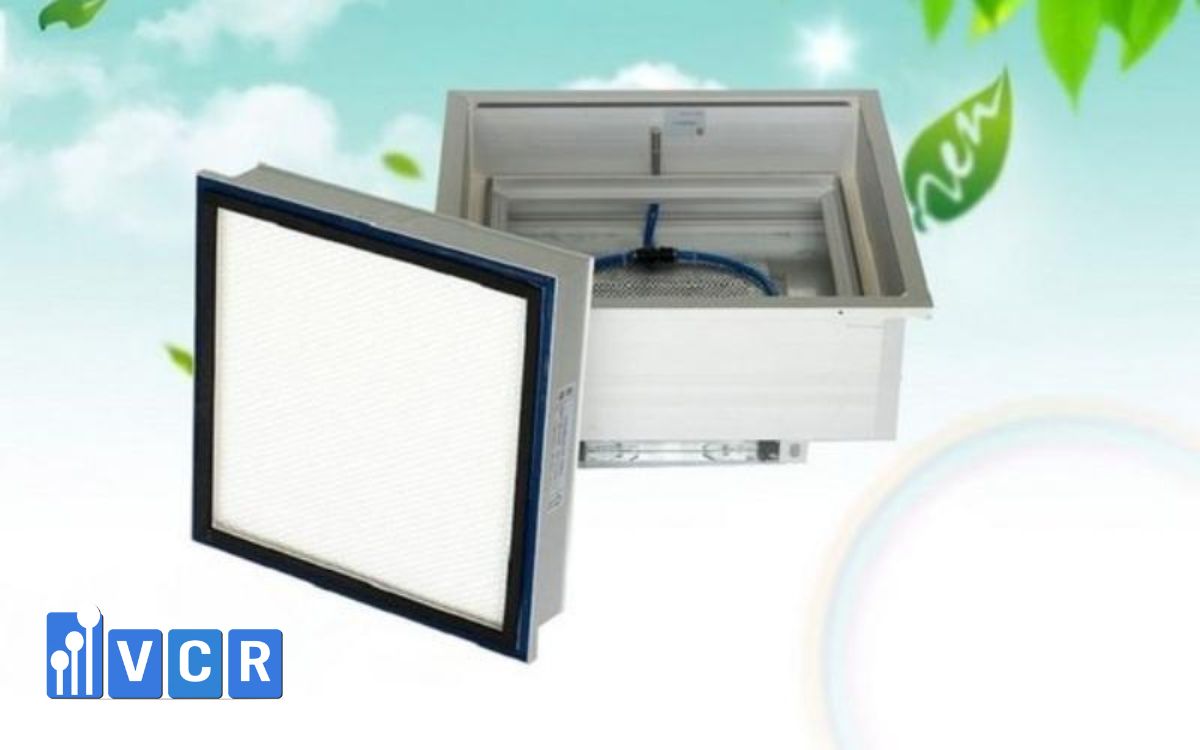
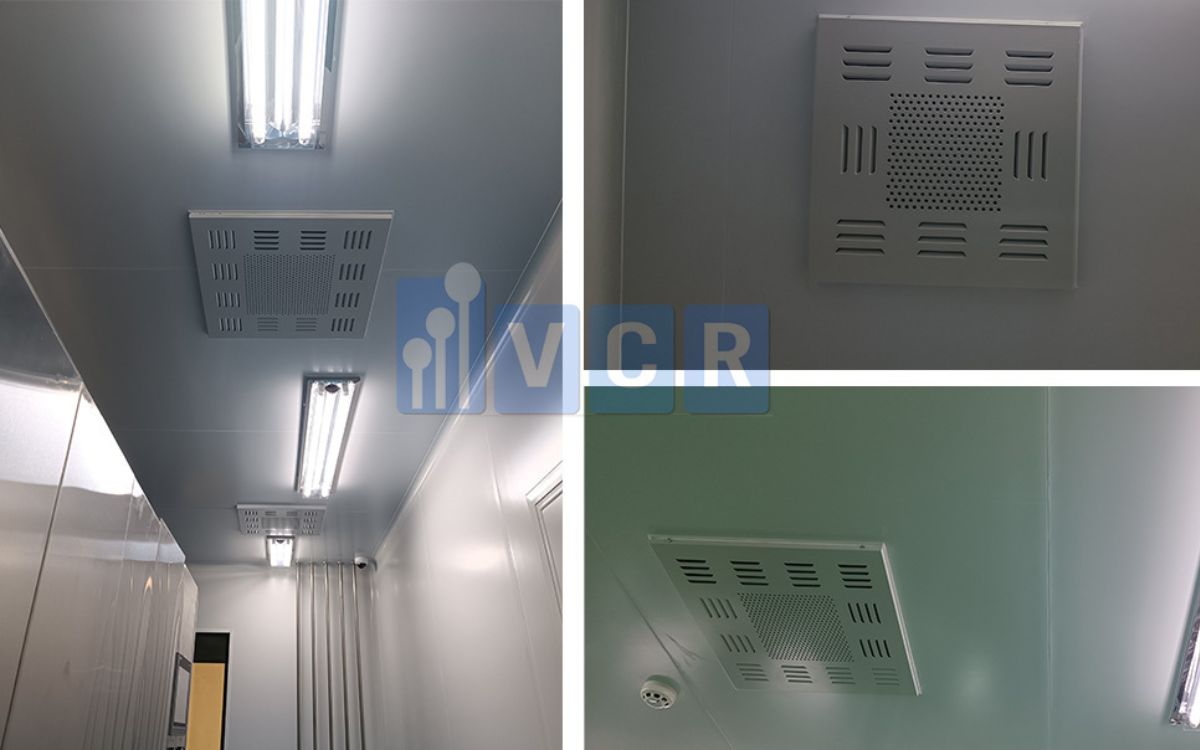
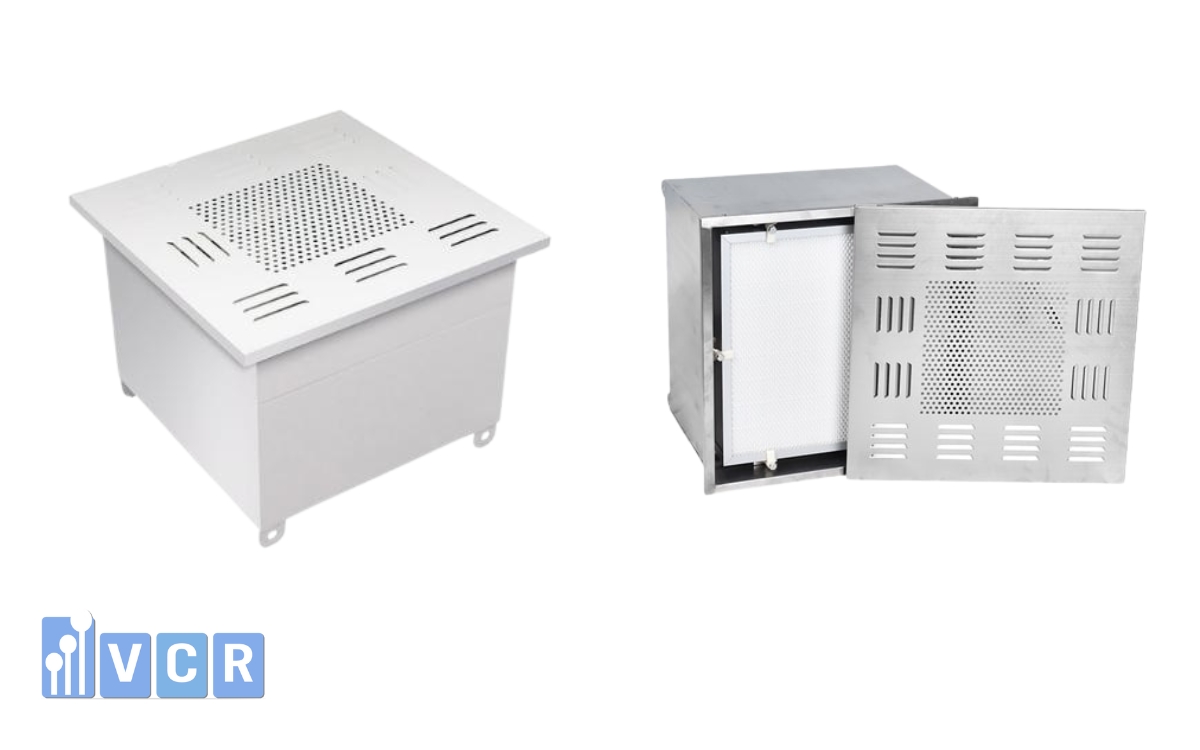
A HEPA Box is a terminal device in a cleanroom air filtration system, integrating a HEPA or ULPA filter and typically installed in ceilings or air ducts. Its main function is to remove ultra-fine airborne particles—including bacteria, mold spores, and viruses—before the filtered air is delivered into the production area.
According to EN 1822 standards, HEPA filters rated H13 and H14 can retain up to 99.95%-99.995% of particles sized 0.3 µm, which corresponds to the size range of many airborne viruses (such as SARS-CoV-2, influenza, etc.).
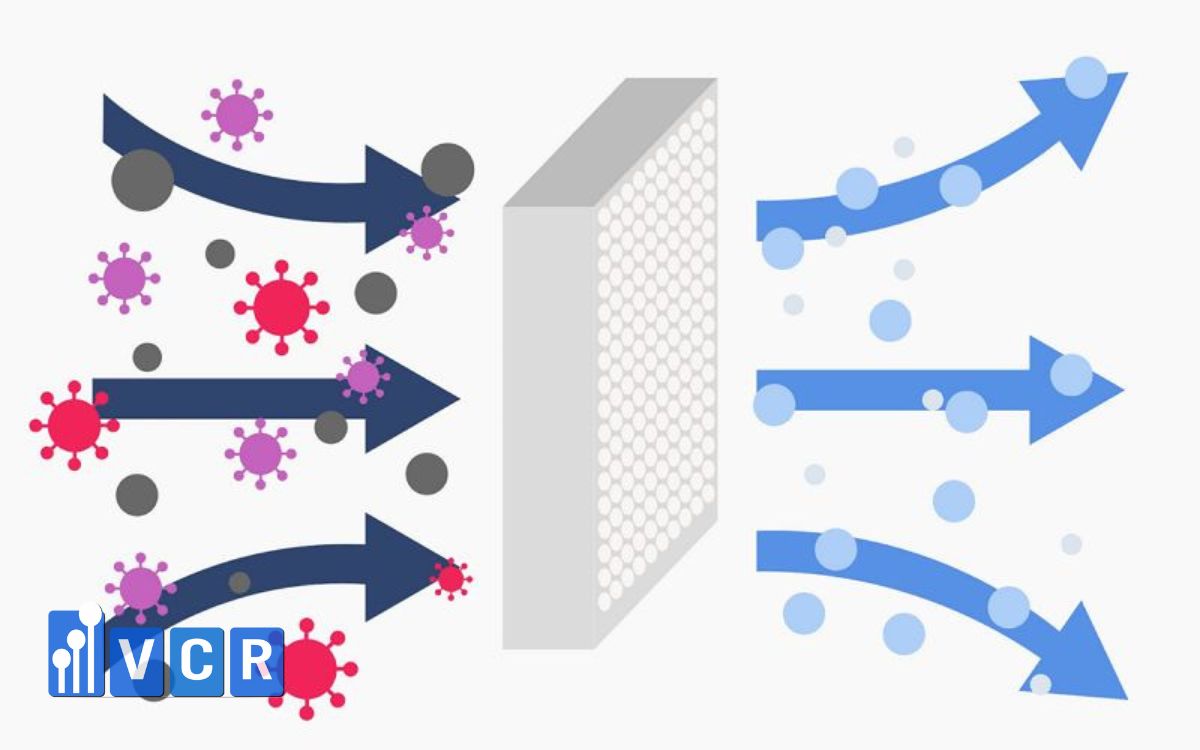 Therefore, when equipped with the correct filter grade and properly sealed installation, a HEPA Box is fully capable of filtering viruses from the supply air entering the cleanroom.
However, a critical question remains: how can this virus filtration capability be verified in real-world conditions?
Is there a reliable method for QA personnel, facility managers, or plant owners to confirm that the HEPA Box system is operating within standards and effectively removing viruses from the airflow?
The following sections outline testing methods, from basic inspections to advanced validation based on international standards.
2. Factors affecting the virus filtration performance of a HEPA Box
Although a HEPA Box is theoretically capable of filtering viruses, actual performance depends on several technical factors. Below are five key considerations for ensuring effective virus filtration in cleanroom environments:
HEPA filter grade
- H13 filters: ≥99.95% efficiency at 0.3 µm
- H14 filters: ≥99.995% efficiency at 0.3 µm
- Given that viruses typically range from 0.1-0.3 µm, H14 filters are recommended for critical environments such as pharmaceutical or medical cleanrooms.
Note: Viruses often travel on larger aerosol droplets rather than floating alone, so HEPA filters remain highly effective.
HEPA Box design and airtightness (leak test)
- Even with an H14 filter, poor sealing allows unfiltered air to bypass the filter media.
- Leak testing is required after installation to ensure all airflow passes through the filter.
Air velocity and system pressure differential
- Excessive airflow reduces particle retention time, lowering filtration efficiency.
- Insufficient velocity can lead to dust accumulation and reduced airflow.
- Proper pressure differential across the filter (typically 200-400 Pa) must be maintained.
Particle size of viruses and aerosols
- Viruses usually range from 0.08-0.15 µm but are typically carried by aerosols around 0.3 µm.
- HEPA filters are most efficient at the MPPS (Most Penetrating Particle Size) range of 0.1-0.3 µm, ideal for virus capture.
Maintenance and filter replacement cycle
- Over time, filter performance degrades due to dust buildup or humidity.
- Without regular replacement or maintenance, airflow may bypass or clog the filter, reducing virus capture efficiency.
Recommendation: Perform inspections every 6 months, or more frequently in high-risk areas.
3. Methods to verify virus filtration performance of HEPA Boxes
To confirm whether a HEPA Box is effectively removing viruses under operating conditions, facility operators must employ specialized testing methods. Below are three commonly accepted approaches in cleanroom environments:
Aerosol challenge test (DOP / PAO test)
- Principle: Introduce synthetic aerosol particles (~0.3 µm, similar to virus-critical MPPS) and measure concentration before and after the filter to determine filtration efficiency.
- Equipment:
- Aerosol generator (DOP or PAO-based)
- Photometer to measure particle concentration
- Standards:
- EN 1822 (Europe)
- IEST-RP-CC001 (USA)
- Pass criteria: H13/H14 filters must achieve ≥99.95%-99.995% filtration efficiency.
- This is the most widely used method in GMP-compliant facilities across pharmaceutical, food, and cosmetics industries.
Biological challenge test (phage test)
- Purpose: Simulate real-world contamination by introducing safe surrogate viruses (e.g., bacteriophage).
- Execution: Generate an aerosol containing test viruses, pass it through the HEPA Box, and measure residual contamination.
- Advantages: Provides highly realistic biological validation.
- Limitations: Expensive and complex procedure; typically used in BSL-3/4 labs or hospitals.
Pressure differential and airflow testing
- Purpose: Although not a direct virus test, these measurements verify system performance.
- Execution:
- Use a manometer to measure pressure drop across the filter.
- Check airflow rate (CFM or m³/h) at the outlet.
- Use cases: Quick post-installation checks or periodic inspections in standard cleanroom environments.
4. Comparison of HEPA Box Virus Filtration Testing Methods
|
Method |
Advantages |
Disadvantages |
Practical Application |
|
DOP/PAO Test |
- Fast and accurate - Standardized under EN 1822 |
- Does not measure actual viruses - Requires specialized equipment |
- GMP-certified facilities - ISO 14644 validation |
|
Biological Test (Phage Test) |
- Biologically accurate - Closely simulates real conditions |
- Expensive and complex - Requires certified lab environment |
- BSL-3/4 cleanrooms - Hospitals and virology research |
|
Pressure Differential & Airflow Test |
- Easy to perform - No specialized equipment needed |
- Does not measure filtration efficiency directly - Only evaluates indirectly |
- Post-installation or routine maintenance checks |
Recommended usage:
- Pharmaceutical, food, and cosmetics manufacturers: Regular DOP/PAO testing every 6 months is recommended to meet GMP compliance.
- Virology or vaccine research facilities: Phage testing should be conducted following high biosafety standards.
- General maintenance: Pressure differential testing is sufficient for quick assessments of HEPA Box performance.
5. Recommended Periodic Testing of HEPA Boxes in Manufacturing Facilities
To ensure consistent virus filtration efficiency, especially in tightly regulated environments such as pharmaceutical, food, or cosmetics factories, periodic testing is mandatory and should follow international standards like GMP and ISO 14644.
Recommended HEPA filter testing intervals:
- Every 6 months for critical production zones (GMP - EU/WHO)
- Every 3 months for high-risk zones (e.g., weighing, filling, packaging areas)
- Immediately after filter replacement, system modification, or suspected performance decline
Required equipment:
- Photometer (aerosol concentration measurement)
- Aerosol generator (for DOP or PAO-based testing)
- Differential pressure gauge (manometer or digital pressure meter)
If such equipment is not available, consider hiring a certified third-party testing provider with experience in GMP environments.
When to use an independent testing provider:
- To issue official HEPA validation reports for GMP/ISO audits
- To verify filter performance after replacement or system changes
- During new facility commissioning or post-renovation acceptance testing
Testing providers should hold relevant certifications such as ISO/IEC 17025 and demonstrate proven experience in pharmaceutical or food manufacturing facilities.
6. Frequently Asked Questions on HEPA Box Virus Testing
Does a HEPA Box filter out SARS-CoV-2?
Yes. With a certified H14 HEPA filter meeting EN 1822 standards, a HEPA Box can remove up to 99.995% of 0.3 µm particles, including SARS-CoV-2 carried in aerosol droplets.
What’s the difference between DOP and PAO tests?
Both assess filtration efficiency using synthetic aerosol particles:
- DOP (Dioctyl Phthalate) is a traditional oil-based substance, effective but potentially harmful.
- PAO (Polyalphaolefin) is a safer, eco-friendlier alternative now recommended for GMP testing environments.
How often should a HEPA Box be tested?
Per GMP guidelines, testing should be conducted every 6 months, or immediately after filter replacement, system maintenance, or suspected performance issues.
7. Need HEPA Box Testing? VCR Has You Covered
The virus filtration performance of a HEPA Box cannot be based on assumptions—it must be validated with the right standards, equipment, and schedule.
VCR provides on-site HEPA Box testing services, including:
- DOP/PAO testing compliant with EN 1822
- Airflow and pressure differential measurements
- Issuance of validation reports for GMP and ISO audits
Modern equipment - Experienced technical team - Nationwide service coverage
Contact VCR today for consultation and pricing:
Hotline: 090.123.9008
Email: [email protected]
Website: https://phongsachyte.com/
Diep VCR