- 1. Design error in separating clean - dirty areas: A hidden risk in clinics
- 2. Using non-standard medical equipment: A small mistake with major impact on sterilization
- 3. Lack of regular monitoring procedures: A "blind spot" that causes inspection failure
- 4. Quick answers about clinic sterilization standards
- 5. Not sure if your clinic meets sterilization standards?
In the healthcare sector, especially in private facilities, maintaining a sterile environment is key to ensuring patient safety and compliance with inspection regulations. However, in reality, many clinics fail to meet sterilization standards due to basic design and operational errors, such as lack of one-way flow, poor air control, or non-compliance with equipment sterilization procedures. Early identification and correction of these errors helps healthcare facilities improve service quality and meet standards such as ISO 14644 or the requirements of the Ministry of Health.
1. Design error in separating clean - dirty areas: A hidden risk in clinics
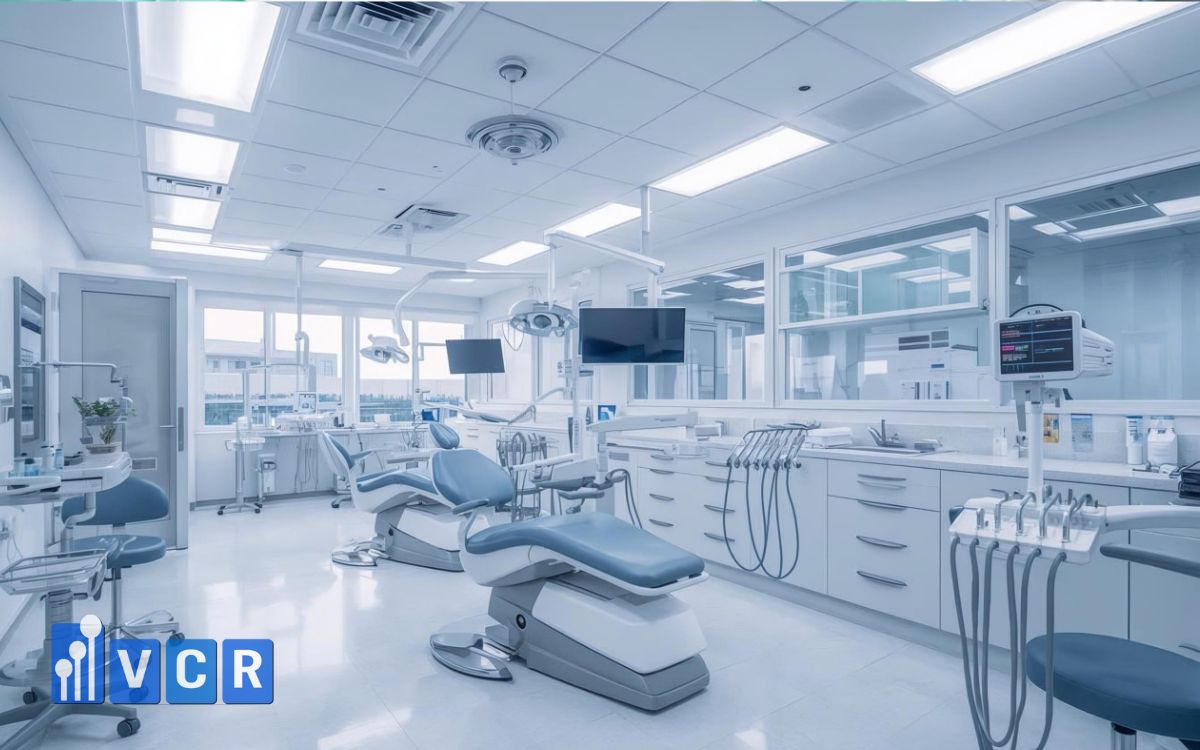
In many clinics today, especially small to medium facilities, the most common mistake that prevents the sterilization system from meeting standards is the lack of one-way flow design. Clean and dirty zones are often not clearly separated, or there are no buffer rooms or airlocks to prevent crossflow of personnel and air.
Why is this error dangerous?
- Increased risk of cross-contamination: When air and personnel from unsterilized areas can directly enter the clean zone, there is a high risk of carrying microorganisms, dust, and contaminants.
- Fails inspection standards: According to regulations from the Ministry of Health and standards such as ISO 14644, a medical facility without clear separation of flow is often considered non-compliant.
Solution
|
Action |
Reason |
|
Review layout and floor plan |
Identify intersections between clean and dirty flows to adjust the design |
|
Set up buffer rooms (airlocks) between zones |
Create an intermediate area to reduce direct air exchange |
|
Use interlock doors or controlled pass boxes |
Prevent simultaneous opening of two doors, helping maintain pressure and cleanliness |
Note:
Do not wait until inspection to discover flow separation errors. Address them from the design stage or during renovation.
Modern interlock doors can integrate sensors, display status, and issue alerts - suitable for both small clinics and large medical centers.
2. Using non-standard medical equipment: A small mistake with major impact on sterilization
Many clinics still use regular lighting fixtures or install air filtration equipment that doesn’t meet ISO standards, leading to poor air cleanliness. Some FFU (Fan Filter Unit) systems are chosen with the wrong specifications, unsuitable for treatment, minor surgery, or sterilization zones.
Consequences of using the wrong equipment:
- Fails to control fine dust and airborne microorganisms, increasing contamination risks.
- Unstable sterilization results, likely to fail inspections from the Department of Health or not meet ISO 14644 standards.
Solution
|
Action |
Purpose |
|
Regularly check air filtration performance |
Detect FFU or HEPA box degradation early |
|
Upgrade to cleanroom-compliant lighting |
Ensure adequate brightness, no dust emission, anti-glare |
|
Define correct cleanliness level → choose the right FFU |
ISO 5-6 for minor surgery rooms, ISO 7-8 for examination zones |
See more: What level of clean room for operating room meets MOH standards?
3. Lack of regular monitoring procedures: A "blind spot" that causes inspection failure
You may invest in high-end equipment and proper room layout, but without regular monitoring and auditing procedures, the entire sterilization system can degrade unnoticed.
Common issues:
- No cleaning SOPs on a weekly/monthly/quarterly basis
- Equipment not regularly calibrated
- Room pressure differentials not monitored → contaminated air may flow into clean zones
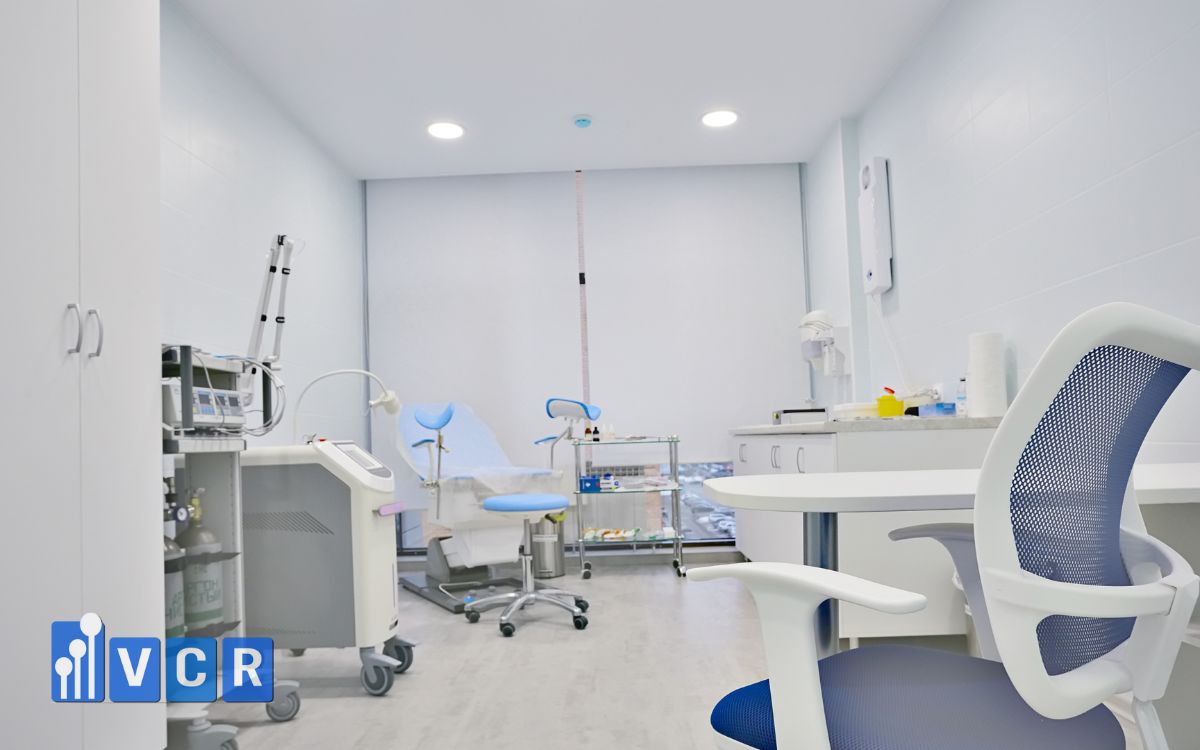
Result: The clinic can easily fail ISO 14644 audits or receive red flags during surprise inspections by the Department of Health, directly affecting the operating license.
Solution
|
Action |
Purpose |
|
Establish SOPs for cleaning, calibration, and auditing |
Ensure repeatable, standardized operations |
|
Regularly monitor pressure differences between rooms |
Maintain correct airflow direction between clean and dirty zones |
|
Measure dust and microorganism levels in the air |
Monitor real-time environmental quality |
|
Use dedicated differential pressure gauges |
Continuous monitoring, with alerts for anomalies |
See more: How to test the virus filtering ability of HEPA Box
4. Quick answers about clinic sterilization standards
What sterilization standards must clinics comply with?
Depending on the type of practice (dental, endoscopy, minor surgery, general examination), clinics must comply with:
- Circular 49/2010/TT-BYT on infection control.
- ISO 14644 standard for clean air levels (if sterile or surgical zones exist).
- Some specialties may follow additional standards (GPP, GMP, QCVN...).
Is it mandatory to use a pass box in a clinic?
It is not legally mandatory, but recommended if the clinic has:
- Equipment/material transport between clean and unclean zones
- Separated sterilization and sterile storage areas
Installing a pass box helps reduce cross-contamination and improves environmental control.
What equipment is required to ensure sterilization?
At a minimum, a clinic should have:
- Air filtration system: ISO-compliant FFU, HEPA Box
- Cleanroom lighting: Dust-proof, anti-glare LED Panels
- Differential pressure gauges: To monitor airflow and pressure
- Disinfection equipment: UV, ozone, or chemical-based sterilizers
5. Not sure if your clinic meets sterilization standards?
Don’t wait until an inspection to fix it - by then, the cost and downtime will be much higher.
Let VCR’s cleanroom experts help you:
- Provide free initial assessments of layout, equipment, and procedures
- Recommend practical improvements according to ISO 14644 and Circular 49/2010/TT-BYT
- Advise on suitable equipment for each functional area: FFU, pass box, pressure gauges...
Contact us today:
Hotline: 090.123.9008
Email: [email protected]
Website: https://phongsachyte.com/
Diep VCR