- 1. Why must operating rooms meet MOH cleanroom standards?
- 2. Cleanroom standards applied to operating rooms according to MOH
- 3. Technical factors determining the cleanroom level in operating rooms
- 4. Summary table of cleanroom levels for operating rooms
- 5. Benefits of designing operating rooms to meet MOH standards
- 6. Frequently Asked Questions
- 7. Contact for consultation on MOH-standard operating room design
1. Why must operating rooms meet MOH cleanroom standards?
In hospitals, the operating room is the most sensitive area, where even minor failures in environmental control can lead to hospital-acquired infections (HAIs). Postoperative infections not only prolong treatment time and increase costs but also directly threaten patients’ lives.
To minimize this risk, the Ministry of Health (MOH) has issued regulations and guidelines on the construction and operation of sterile operating rooms, emphasizing the design of operating rooms as medical cleanrooms. These regulations help:
- Control the concentration of dust, bacteria, and particles in the air.
- Define the appropriate cleanroom class for each type of surgery.
- Ensure that the operating room operates under positive pressure, unidirectional airflow, and standard air change rates.
In other words, a cleanroom that meets MOH standards is the “shield” that protects patients and surgical staff from infection risks.
2. Cleanroom standards applied to operating rooms according to MOH
General regulations on cleanliness levels in hospitals
The Ministry of Health (MOH) of Vietnam requires that operating rooms must be controlled for air quality equivalent to medical cleanrooms. This includes:
- Limits on airborne dust particles and microorganisms.
- Positive pressure to prevent contaminated air from entering.
- Multi-stage air filtration systems, combined with HEPA filters of ≥ 99.97% efficiency.
- Minimum air changes per hour (ACH) depending on the type of surgery.
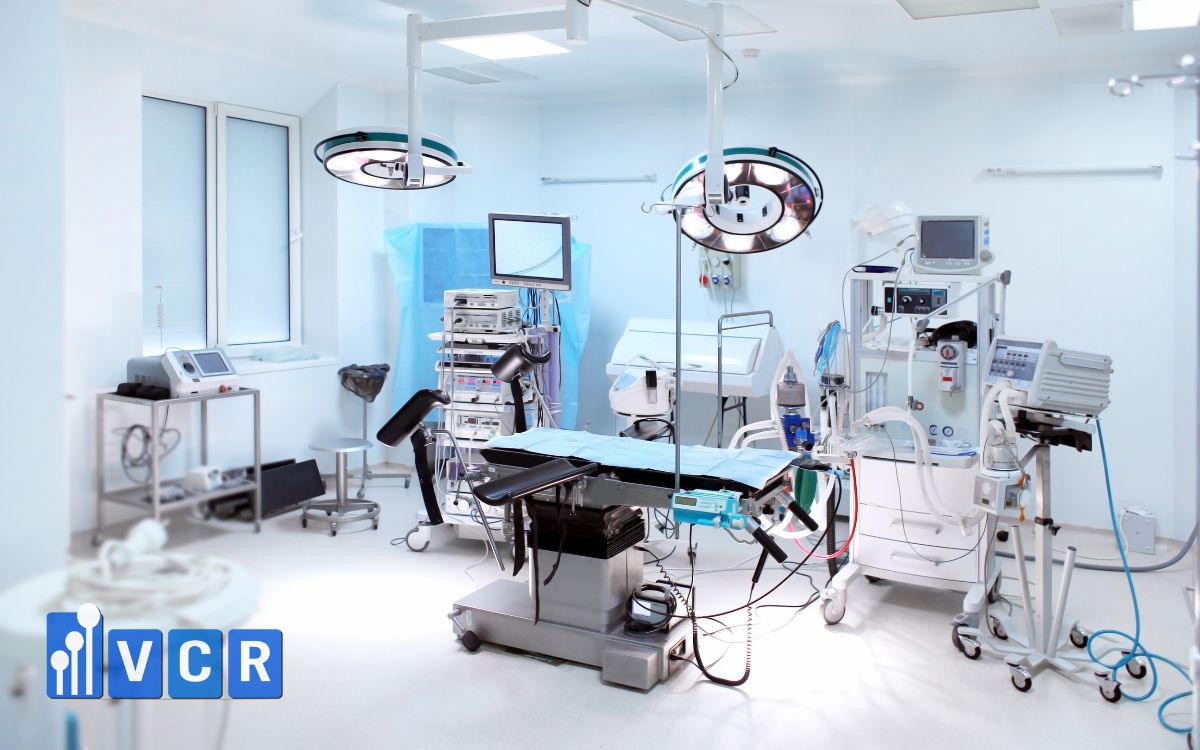
Relationship between ISO 14644 and MOH standards
- ISO 14644 is the international standard used to classify cleanroom levels based on the number of particles in 1m³ of air.
- MOH does not apply ISO 14644 directly but refers to and adjusts it to suit medical environments.
- For example: ISO 7 and ISO 8 are commonly used as benchmarks for standard operating rooms, while ISO 5-6 is required for high-risk surgeries with strict aseptic demands.
Cleanroom levels commonly applied to operating rooms
- General operating rooms: ISO 8 (Class 100,000) or ISO 7 (Class 10,000).
- Controls dust and microorganisms at acceptable levels, suitable for most general surgeries.
- Special operating rooms (cardiac surgery, orthopedic implants, organ transplants): ISO 5-6 (Class 100-1,000).
- Higher requirements with ≥ 30 ACH, ensuring near-absolute air cleanliness.
Thus, determining the cleanroom level for operating rooms depends on the type of surgery and MOH requirements, but in most Vietnamese hospitals, ISO 7-8 is applied for general surgeries and ISO 5-6 for special surgeries.
3. Technical factors determining the cleanroom level in operating rooms
To achieve the required cleanroom level according to MOH and ISO 14644 standards, operating rooms must ensure multiple technical factors work in harmony.
HVAC - AHU - HEPA systems
- HVAC (Heating, Ventilation, Air Conditioning): maintains stable temperature and humidity (typically 20-24°C, 50-60% RH).
- AHU (Air Handling Unit): processes and distributes clean air into the operating room.
- HEPA filter: removes fine dust and microorganisms with an efficiency of ≥ 99.97% at 0.3µm, considered the “heart” of sterile air control.
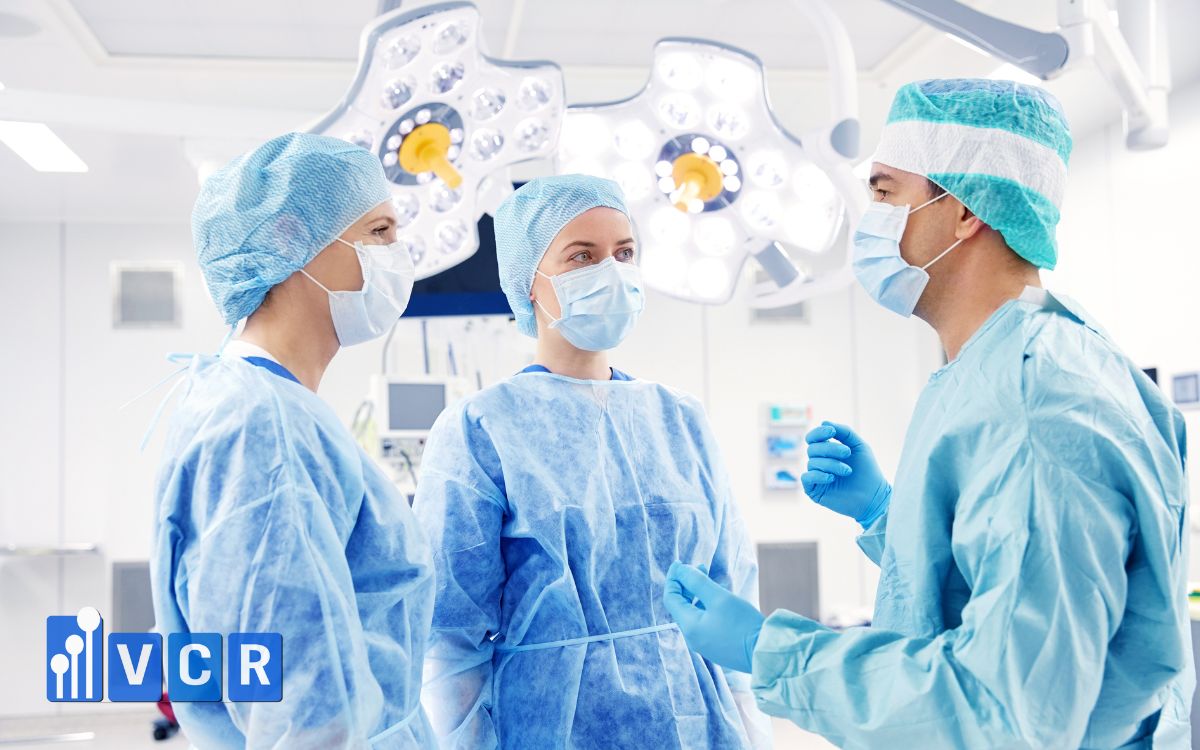
Positive pressure
- Operating rooms must always maintain positive pressure (≥ +2.5 Pa) compared to adjacent areas or corridors.
- This ensures that clean air flows outward, preventing dust and microorganisms from entering sterile areas.
Air changes per hour (ACH)
- Each ISO class requires a specific minimum air change rate:
- ISO 8: ≥ 15-20 times/hour.
- ISO 7: ≥ 20-25 times/hour.
- ISO 5-6 (special surgeries): ≥ 30 times/hour.
- This is a critical parameter to maintain particle and microbial concentration within safe limits.
Sterility-supporting equipment
- Air Shower: removes dust from staff clothing before entering the operating room.
- Pass Box: transfers instruments and medical supplies without cross-contamination.
- UV lamps: disinfect the air, used outside of surgery hours.
- FFU (Fan Filter Unit): provides localized filtration, often used in special operating rooms.
Operating procedures and personnel
- Protective clothing change: medical staff must follow strict gowning protocols.
- Regular cleaning: surfaces and air must be disinfected after each surgery.
- Periodic inspection: monitoring of dust, microorganisms, pressure, temperature, and humidity to ensure compliance with MOH standards.
4. Summary table of cleanroom levels for operating rooms
The table below summarizes the cleanroom levels commonly applied to operating rooms according to MOH standards with reference to ISO 14644:
|
Type of operating room |
Cleanroom level (ISO) |
Air changes per hour (ACH) |
Application |
|
General surgery |
ISO 8 (Class 100,000) |
15 - 20 ACH |
General surgical procedures |
|
Clean surgery (orthopedic implants, cardiac surgery) |
ISO 7 (Class 10,000) |
20 - 25 ACH |
Reduces risk of deep infections in implant or vascular surgeries |
|
Special surgery (organ transplant, open-heart surgery) |
ISO 5 - 6 (Class 100 - 1,000) |
≥ 30 ACH |
Ensures near-absolute sterility, suitable for high-risk surgeries |
From the table, it can be seen that the higher the cleanroom level, the stricter the technical requirements, especially regarding airflow, air change rate, and HEPA filtration systems.
5. Benefits of designing operating rooms to meet MOH standards
An operating room built to the cleanroom standards of the Ministry of Health (MOH) not only complies with legal regulations but also brings practical benefits:
Reduces the risk of hospital-acquired infections
- Controls dust, microorganisms, and airflow, helping to minimize surgical site infections - one of the leading causes of postoperative complications.
- Ensures safety for both patients and surgical teams.
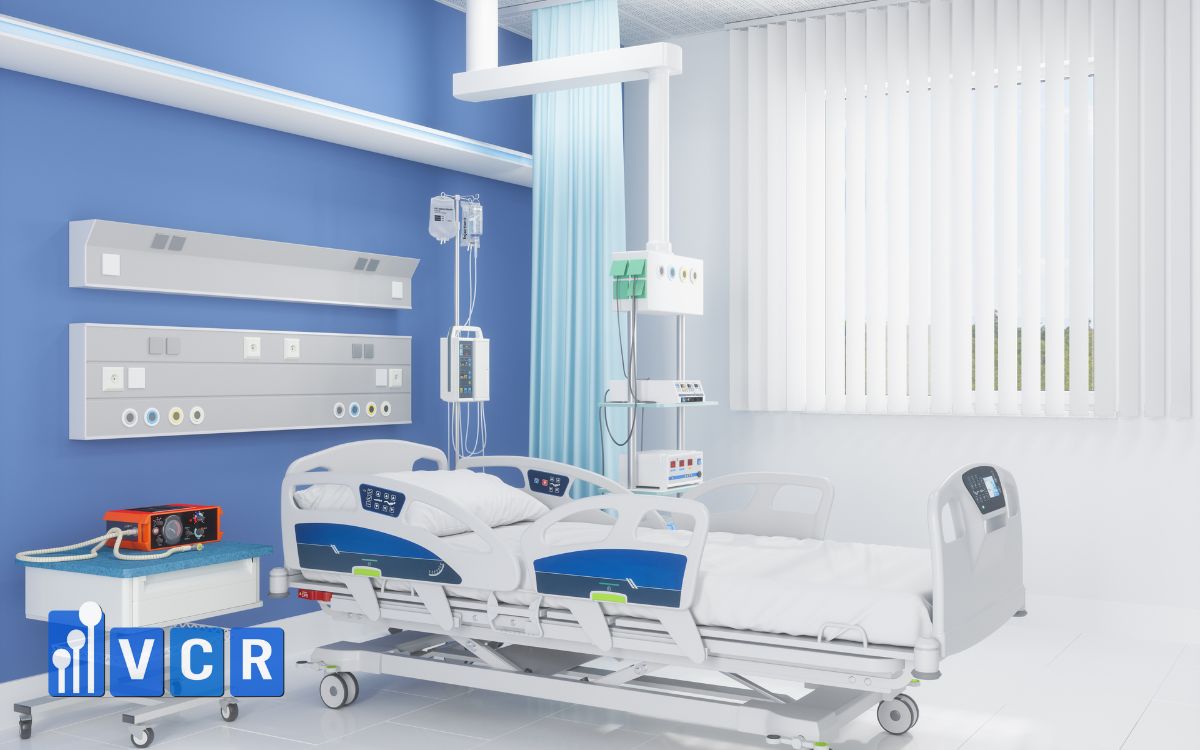
Meets inspection and accreditation requirements
- Compliance with MOH standards makes it easier for hospitals to pass inspections, accreditation, and quality evaluations.
- Avoids risks of license denial or penalties for failing to meet technical standards.
Enhances hospital reputation and quality
- Hospitals with cleanroom-standard operating rooms gain greater trust from patients and partners.
- Strengthens brand value and competitiveness within the healthcare system.
- Attracts more patients, particularly in advanced surgical specialties.
In short, investing in MOH-standard operating rooms is not only a mandatory requirement but also a strategy to elevate hospital quality.
6. Frequently Asked Questions
Why must operating rooms meet cleanroom standards?
→ Because operating rooms are the highest-risk areas for hospital-acquired infections. Cleanroom standards help control microorganisms, dust, and particles in the air, thereby minimizing the risk of postoperative infections.
Does MOH mandate ISO 14644 for operating rooms?
→ MOH does not directly require ISO 14644, but the technical standards for operating room cleanliness are based on principles equivalent to ISO. Therefore, many hospitals in Vietnam still reference ISO 14644 when designing operating rooms.
What is the difference between ISO 7 and ISO 8 operating rooms?
→ ISO 7 provides stricter control of dust and microorganisms compared to ISO 8, with higher air change rates (20-25 ACH vs. 15-20 ACH). ISO 7 is typically applied to special surgeries such as cardiac or implant procedures, while ISO 8 is generally used for standard surgeries.
How much does it cost to build an ISO 7-8 operating room?
→ Costs depend on the room size, HVAC system, AHU, HEPA filters, and medical equipment. Typically, constructing an ISO 7-8 standard operating room costs 20-40% more than a standard operating room.
7. Contact for consultation on MOH-standard operating room design
Are you a hospital, surgical center, or clinic looking to build or upgrade an operating room that meets MOH cleanroom standards?
Let VCR - Cleanroom Equipment support you with:
- Consultation on suitable cleanroom levels for each type of surgery (ISO 5-8).
- Full-package equipment and solutions: HVAC, AHU, HEPA, FFU, Pass Box, Air Shower, and more.
- Support with MOH accreditation and inspection documents to ensure smooth approval.
- Cost-optimized designs that still meet both international and MOH standards.
Contact us today to receive free consultation from VCR experts and the most suitable solution for your project.
Hotline: 090.123.9008
Email: [email protected]
Website: https://phongsachyte.com/
Diep VCR